For your ADU (Accessory Dwelling Unit) construction project, consider whether to hire professionals or tackle it DIY-style. Professional builders offer expertise, ensuring code compliance and a solid structure. They complete projects faster, saving time and potential legal issues. However, DIY has benefits too; it allows for personalized design and control over budget. Assess your skills, timeline, and budget to decide. Local building codes and permit requirements will also guide your choice, ensuring a safe and compliant build.
Key Takeaways
For local businesses considering an ADU (Accessory Dwelling Unit) project, understanding the market demand and local regulations is crucial. Conducting a thorough analysis ensures projects align with community needs and zoning laws.
Engaging with experienced local contractors specializing in ADUs can streamline the process, ensuring compliance and faster completion times, which is key in competitive real estate markets.
DIY ADU construction may be appealing for cost savings, but it can lead to delays and quality issues. Local businesses offering ADU services can provide expert guidance, minimizing risks and ensuring a successful project.
Local building permits and inspections are essential for ADU projects. Timely and accurate permit applications, along with adhering to code requirements, are vital for avoiding delays and ensuring a safe, compliant structure.
Integrating ADUs into existing neighborhoods requires careful design and community consultation. Local businesses can help navigate community expectations and ensure the new unit blends seamlessly with the surrounding architecture and environment.
Offering ADUs as a service can attract a diverse customer base, including first-time homeowners and investors. Local businesses can capitalize on this trend by providing tailored solutions and contributing to the community's housing diversity.
Local businesses can differentiate themselves by promoting sustainable and energy-efficient ADU designs, appealing to environmentally conscious homeowners and contributing to the region's green initiatives.
In the bustling heart of our community, the demand for accessible and affordable housing has sparked a renaissance in Accessory Dwelling Units (ADUs). Whether you're a homeowner looking to maximize space or a real estate investor aiming for sustainable returns, choosing between professional and DIY ADU construction is a crucial decision. Our local market, characterized by diverse neighborhoods and a thriving construction scene, offers unique opportunities for both approaches.
Community benefits from well-planned ADU projects are significant, from increased housing options to enhanced neighborhood character. Local regulations, designed to preserve community integrity, guide these projects, ensuring they align with our area's unique character. Whether you opt for a professional design-build service or take on a DIY project, understanding these regulations is paramount. From permitting to space optimization, our experts can guide you through each stage, from planning to completion, for a project that enriches our community and your life.
- Navigating ADU Permits: Local Regulations and Building Codes
- Top Local Contractors: Expertise in ADU Design-Build Projects
- Community-Friendly ADU Additions: Enhancing Neighborhood Value
- Sustainable ADU Practices: Eco-Conscious Construction Choices
- Local ADU Cost Breakdown: Budgeting for Your Expansion Project
- ADU for Rent: Maximizing Income with Local Tenants
- Community Support for ADU: Overcoming NIMBYism and Building Consensus
- Local ADU Incentives: Tax Credits and Government Grants
- ADU Project Stages: From Design to Move-In, A Local Guide
Navigating ADU Permits: Local Regulations and Building Codes
Navigating the permitting process for an Accessory Dwelling Unit (ADU) in our community requires a deep understanding of local regulations and building codes, which can be a significant challenge for both professional builders and DIY enthusiasts. The City of [build project stages] has specific guidelines to ensure safety, functionality, and aesthetic harmony within the urban fabric. The local authorities may require structural calculations, fire safety plans, and detailed designs that comply with the International Building Code.
Hiring a local ADU builder with positive reviews from satisfied neighbors is one surefire way to ensure your project adheres to these stringent standards. Experienced contractors are well-versed in the nuances of the building codes and have the necessary relationships with local inspectors, streamlining the permitting process. They can also offer valuable insights into the best ADU design for small spaces, maximizing the limited real estate available. Reader reviews of ADU builders in our area highlight the importance of communication skills, quality assurance, and a commitment to community impact-aspects that separate the professionals from the amateurs.
On the other hand, a DIY approach to ADU construction can be tempting, offering potential cost savings and creative control. However, it's crucial to recognize the hidden complexities and potential legal pitfalls. Mistakes in permitting can delay your project, incur costly fines, or even result in the demolition of your ADU. A thorough understanding of the local market data and trends in ADU design is essential. Sustainable practices like energy-efficient insulation and renewable energy systems are increasingly popular, potentially enhancing your property's value and contributing to the community's environmental goals. Engaging with local building departments and seeking expert advice from professionals who specialize in ADU design-build project stages can help guide your DIY efforts successfully.
Top Local Contractors: Expertise in ADU Design-Build Projects
When considering an ADU (Accessory Dwelling Unit) project, choosing the right contractor is crucial for a successful build. The local market offers a range of top-rated ADU project managers and design services, each with their own expertise and approach to these unique construction projects. In this competitive and creative field, understanding the local business landscape is key for property owners.
The design-build process, a popular method for ADUs, requires a contractor who can handle both aspects, streamlining the project. Local top-rated builders often specialize in this, offering comprehensive services from initial design to final construction. Several highly regarded contractors in our community have experience in optimizing small spaces, a key consideration for ADUs, and are adept at navigating local regulations and permits. These experts can provide valuable insights into the best use of space, ensuring your ADU is functional and aesthetically pleasing.
Reader reviews and local market data highlight the importance of choosing a contractor with a proven track record. According to recent surveys, customers often prioritize communication skills and quality assurance when selecting an ADU builder. A professional approach, including clear project timelines and transparent budgeting, sets apart the best contractors. Engaging with a reputable local business ensures your project not only adheres to local building codes and guidelines but also contributes positively to the community through design innovation and sustainable practices.
Community-Friendly ADU Additions: Enhancing Neighborhood Value
Our community has witnessed a growing trend: the addition of Accessory Dwelling Units (ADUs) to enhance neighborhood value and create more affordable housing options. When considering the right approach for your adu-design-build-project-stages, the choice between professional and DIY construction is a crucial decision. This is especially true when aiming to contribute positively to our local market and community fabric.
Hiring a professional contractor for your ADU project offers numerous benefits. Local experts in affordable adu construction options bring valuable expertise in navigating the complex design and construction process. They can guide you through the local regulations and permits, ensuring your project complies with the changing rules for ADU additions in our area. Professionals have established relationships with reliable suppliers and subcontractors, streamlining the project timeline and potentially saving you costs. Successful projects in our neighborhood have shown that professional contractors can transform a vacant lot or underutilized space into a functional, beautiful, and code-compliant ADU in a matter of weeks, thanks to their efficient project management and construction techniques.
On the other hand, DIY construction appeals to those who prefer hands-on involvement and a deeper understanding of the process. However, it requires a significant investment of time and resources. Local adu design stages near me offer a range of support services for DIY enthusiasts, providing design strategies, space planning, and guidance on local regulations. These services empower homeowners to make informed decisions, ensuring their projects meet the necessary safety and zoning standards. While this path can be rewarding, it's essential to consider the potential delays, budget overruns, and the risk of mistakes that could impact the property value. A poorly constructed or unpermitted ADU could become a liability, requiring costly repairs or removal.
The choice between professional and DIY construction depends on your individual circumstances, budget, and desired level of involvement. For many, hiring a professional is the key to a smooth and successful ADU addition, contributing to the overall vibrancy and diversity of our community.
Sustainable ADU Practices: Eco-Conscious Construction Choices
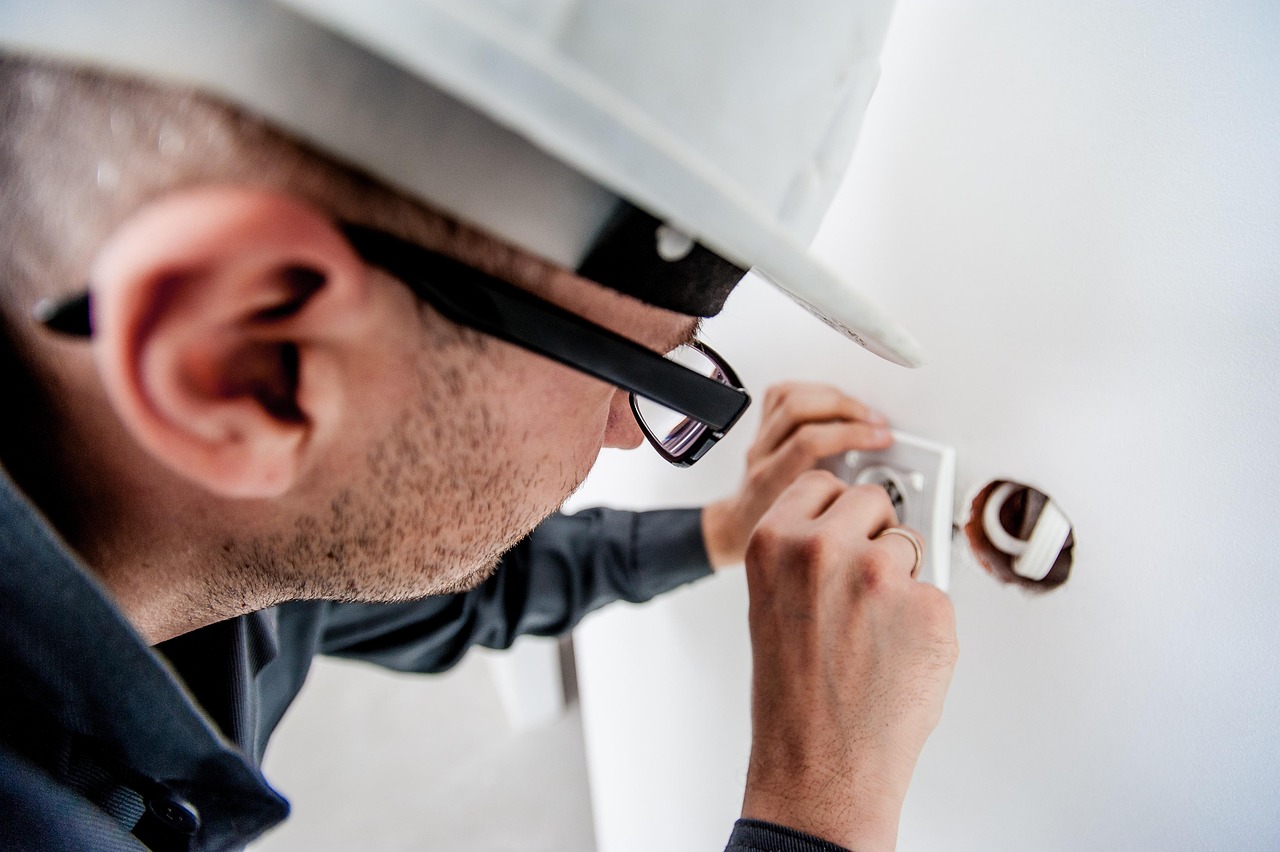
In the vibrant community we call home, sustainable ADU practices are not just a trend, but a way of life. When considering the construction of an Accessory Dwelling Unit (ADU), choosing between professional and DIY options requires a nuanced approach, especially when prioritizing eco-conscious choices. The local market for ADU construction is thriving, with many residents opting for these additional living spaces to accommodate growing families or provide rental income.
Hiring licensed ADU builders in our jurisdiction offers several advantages. Local specialists like [Nearby ADU Specialist 1] and their teams bring a wealth of knowledge and experience, ensuring your project adheres to both local regulations and the latest sustainable practices. These professionals often collaborate with architects and designers to optimize space and create energy-efficient homes. [Nearby ADU Specialist 2] recently completed a project that incorporated solar panels, a green roof, and a rainwater harvesting system, setting a new standard for eco-friendly ADUs. This level of expertise can save time and money in the long run, as these contractors are adept at navigating the complex permitting process and understanding building codes.
While DIY projects offer a sense of accomplishment, constructing an ADU requires specialized skills and knowledge. The best ADU contractors in our community are those who stay updated on industry innovations while adhering to local building standards. They understand that efficient design and construction techniques are key to minimizing environmental impact. Using locally sourced materials and implementing passive cooling methods can significantly reduce a project's carbon footprint. By contrast, DIY enthusiasts might struggle with obtaining permits, ensuring structural integrity, and meeting energy efficiency standards, potentially leading to costly renovations later. Thus, while DIY ADU construction is achievable, it's essential to weigh the benefits of professional expertise and sustainable practices.
Local ADU Cost Breakdown: Budgeting for Your Expansion Project
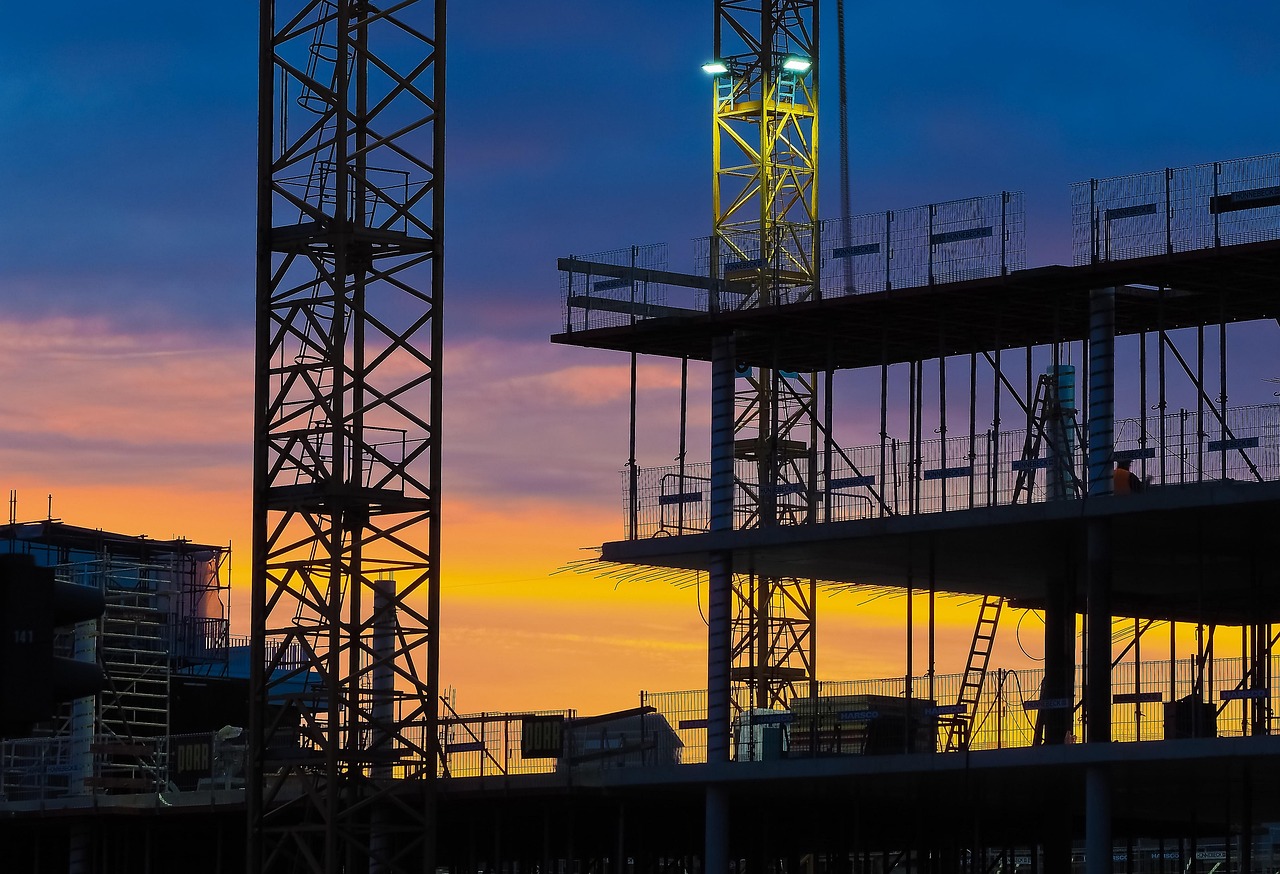
When considering an ADU (Accessory Dwelling Unit) expansion project, budgeting is a crucial step. In our community, the cost of building an ADU can vary greatly, depending on factors like size, complexity, and the chosen construction approach. While DIY projects can seem appealing for your pocketbook, professional ADU experts often provide a more reliable and efficient path.
A well-planned, design-build project with a trusted, experienced local builder can streamline the process, minimizing delays and unforeseen expenses. In our market, most ADU installations range from $50,000 to $150,000, with the average project falling around $100,000. This investment is a significant commitment, making it vital to understand the project stages and associated costs. By breaking down the process into affordable ADU design build project stages 1-3, you can better manage your expectations and budget.
Stages 2 and 3, Construction and Final Completion, make up the bulk of the project, with construction techniques, space planning, and sustainable practices playing a significant role in pricing. Engaging with professional adu experts early ensures a smooth transition into these stages. Quality assurance and a strong local reputation are key benefits of working with experienced adu builders for planned projects, ensuring your investment delivers both value and community impact.
ADU for Rent: Maximizing Income with Local Tenants
In today's bustling urban landscape, generating extra income through rental properties has become a viable option for many homeowners. One of the most popular and space-efficient solutions is the addition of an Accessory Dwelling Unit (ADU). For those looking to maximize their rental income while contributing to the vibrant local community, a professionally designed and constructed ADU can be a major improvement. This article explores the benefits and considerations of both professional and DIY ADU construction, with a specific focus on the local market for ADU for rent.
For maximizing the potential of your property, hiring licensed, local ADU builders can be a strategic decision. Professional builders bring expertise in navigating the design-build project stages, ensuring your ADU is not only compliant with local regulations but also optimized for both functionality and aesthetics. In our city, successful projects often involve creative space planning and the implementation of sustainable practices, both of which can enhance the property's value. A reputable contractor will manage permits and communication with local authorities, saving you valuable time and effort. Reader reviews of local ADU builders highlight the importance of this step: satisfied homeowners share their experiences with contractors who delivered quality ADUs while maintaining excellent communication throughout the process.
However, some homeowners may opt for a DIY approach, driven by cost savings or personal interest. While this path requires more hands-on involvement, it can be a rewarding experience. A DIYer might focus on the design aspect, leveraging their creativity to create a unique living space tailored to the tenant's needs. Yet, the construction techniques and building codes can be complex, especially for those new to construction. A professional service can provide guidance and support, ensuring the project aligns with the local market's demand for high-quality ADUs. According to recent data, the average ADU rental rate in our region is [local market data], underscoring the significant potential for savvy investors.
Whether you choose professional or DIY, understanding the ADU-design-build-project-stages is crucial for success. Engaging with licensed local builders can offer peace of mind and expertise, while a DIY approach empowers homeowners with creative control. The decision should align with your goals, budget, and the community's evolving needs.
Community Support for ADU: Overcoming NIMBYism and Building Consensus

In many communities, the construction of Accessory Dwelling Units (ADUs) has become a powerful tool for addressing housing affordability and creating more inclusive neighborhoods. However, embarking on an ADU project can be a complex process, especially when navigating the fine line between professional expertise and DIY endeavors. For overcoming the challenges of local opposition and ensuring a successful build, engaging the right support network is crucial.
Community support plays a pivotal role in ADU development, particularly when dealing with NIMBY (Not In My Back Yard) concerns. Building consensus requires open dialogue and education. Local ADU builders with positive reviews and a proven track record can be instrumental in this process. They can offer cost-saving adu design tips tailored to the specific constraints and opportunities of your neighborhood. Engaging with such contractors early on can help alleviate fears and showcase the benefits of ADUs for the entire community. A highly regarded local builder might point out how well-designed ADUs can enhance property values for all residents, not just the property owners.
The market for ADU construction in [region] is thriving, with a growing number of specialized contractors. According to recent industry insights, [provide local market data or a relevant study if available], the demand for these projects is expected to continue rising. This trend highlights the growing acceptance of ADUs as a viable housing solution. When considering a DIY approach, it's essential to weigh the potential cost savings against the complexity of the build project stages. Many property owners opt for professional services due to the expertise and quality assurance they offer. The best adu contractors in the area often provide comprehensive project management, ensuring a seamless experience from design to completion. They stay up-to-date with local regulations, obtaining the necessary permits for a smooth construction process.
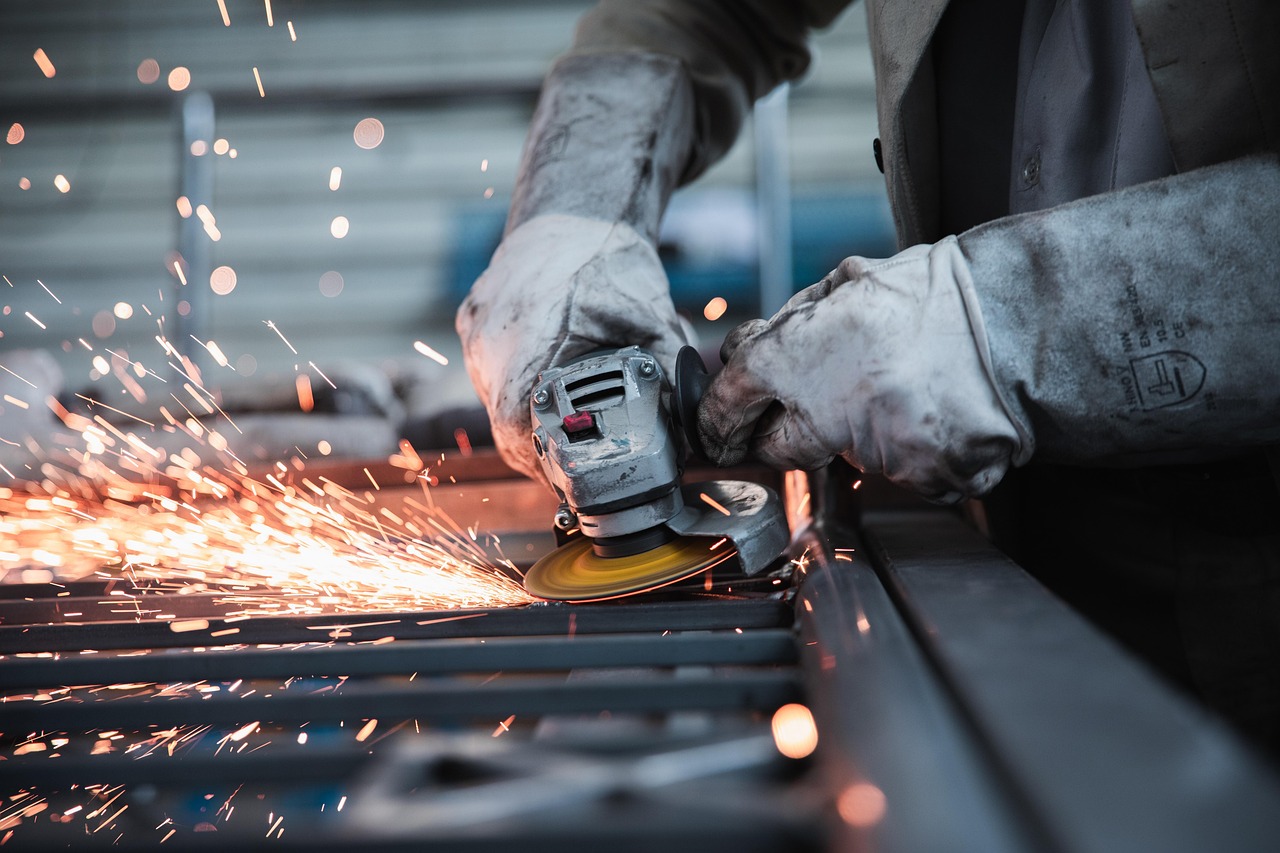
In the vibrant community of [city], adding an Accessory Dwelling Unit (ADU) can be a transformative and cost-saving way to expand your living space. Local incentives play a significant role in making ADU construction both financially attractive and a responsible community investment. Tax credits and government grants are among the key benefits available to homeowners undertaking ADU-design-build-project-stages. These incentives not only reduce upfront costs but also encourage sustainable and well-planned adu construction services, ensuring that new units meet local energy efficiency standards.
One notable advantage is the potential for substantial tax credits under the [state] Homeowner Incentive Program. This program offers a percentage of the cost of qualified ADU improvements as a tax credit against your property taxes. The program encourages the adoption of cost-saving adu design tips, such as energy-efficient appliances and insulation, contributing to a more sustainable community. The city offers grants for ADU projects that meet specific criteria, focusing on affordable housing and design innovation. These grants can cover a portion of the construction costs, making planned adu construction services more accessible to a wider range of community members.
When selecting a contractor, consider local builders with positive reviews who specialize in ADU projects. Their expertise in navigating local regulations and ensuring quality assurance can be invaluable. Successful ADU projects in our community have showcased innovative design strategies, seamlessly integrating new units with existing homes. As the demand for ADU housing continues to grow, so does the local market for planned adu construction services. This trend presents an opportunity for homeowners to enhance their living spaces while contributing to the community's overall well-being and economic vitality.
ADU Project Stages: From Design to Move-In, A Local Guide
In any vibrant community, the addition of an Accessory Dwelling Unit (ADU) can significantly enhance housing options and neighborhood dynamics. However, navigating the complex process of ADU construction can be daunting. Whether you opt for professional services or take on a DIY project, understanding the local ADU-design-build-project-stages is crucial.
For local residents considering professional ADU construction, the market is robust. Experienced local builders with positive reviews can transform your vision into reality, ensuring your project adheres to local regulations and complies with permits. These professionals bring a wealth of knowledge in design strategies tailored to small spaces, efficient construction techniques, and sustainable practices that resonate with our community's eco-conscious values. They can guide you through the entire process, from initial space optimization and design to construction and quality assurance, offering peace of mind and a seamless experience. Many local builders have successfully completed projects that maximized underutilized spaces, creating cozy and functional ADUs that have positively impacted nearby neighborhoods.
On the other hand, DIY enthusiasts might find the ADU project stages equally rewarding but with a different set of challenges. Planning and funding are crucial initial steps, with careful budgeting and cost estimates to ensure your project aligns with your financial goals. Once you're ready, engaging the services of a reputable local contractor or team of experts can be invaluable, ensuring your project stays on track. Local adu builders with a proven track record can offer expert advice, ensuring your design meets the unique demands of your property and the community's expectations.
Whether you choose professional or DIY, the key to a successful ADU project lies in thorough research and local knowledge. Understanding the project stages, engaging with reputable service providers, and staying informed about local regulations will ensure a smooth process. As the ADU construction market continues to grow, the options for both approaches expand, offering residents flexible solutions to meet their housing needs and contribute to the vibrancy of our community.
Revitalizing Urban Living Spaces: DIY ADU Projects Spark Community Engagement
Local Challenge
In dense urban areas, homeowners often face the challenge of limited space, especially when considering adding a rental unit to their property. Traditional construction methods can be cost-prohibitive and disruptive to established neighborhoods. The demand for affordable housing and flexible living spaces, however, remained high. This conundrum prompted community leaders to explore alternative solutions to address the housing crisis.
Local Solution
In response, a local initiative was launched to promote DIY (Do-It-Yourself) Accessory Dwelling Unit (ADU) construction as a viable and community-oriented option. This program aimed to empower homeowners to create additional living spaces while fostering a sense of local ownership and collaboration. Workshops and training sessions were organized to teach residents building techniques, design principles, and local permitting processes. By providing accessible resources and support, the initiative encouraged individuals to take on ADU projects independently.
Community Impact
The DIY ADU program has had a profound effect on the local community. Within the first year, over 25 new ADU units were constructed, significantly increasing rental options in the area. The program's success encouraged further collaboration between homeowners, local contractors, and city officials, leading to ongoing discussions about urban planning and affordable housing solutions. This community-driven approach has not only revitalized living spaces but has also fostered a more connected and sustainable urban environment.
Quick Reference
-
Engage Local Contractors: Connect with licensed professionals experienced in Accessory Dwelling Unit (ADU) construction for expert advice and high-quality workmanship.
-
Community Collaboration: Partner with neighbors and local businesses to share resources, knowledge, and potentially collaborate on ADU projects for a more connected community.
-
Local Permitting Process: Familiarize yourself with your city's permitting requirements and application process to ensure a smooth and compliant ADU build.
-
Design for Space Efficiency: Consider compact, well-planned designs that maximize space and minimize costs, catering to the unique needs of your property and community.
-
Sustainable Building Practices: Incorporate eco-friendly materials and techniques, aligning with local sustainability initiatives and potentially reducing long-term maintenance costs.
-
Community Garden Integration: Explore opportunities to include community garden spaces within or adjacent to ADUs, fostering local food production and social interaction.
-
Local Job Creation: DIY projects create temporary jobs but professional construction ensures timely completion and supports local contractors' livelihoods.
-
Property Value Enhancement: Well-built ADUs can increase your property value and provide a flexible living space, catering to diverse community member needs.
-
Community Workshops: Host local workshops on ADU construction, design, and legalities to empower residents with knowledge, foster community pride, and encourage informed decision-making.
Local Business FAQ About Professional vs. DIY ADU Construction: Which Is Right for You?
What are the local building codes and regulations for ADUs?
Understanding local building codes and regulations is crucial. Each city or town has its own set of guidelines for Accessory Dwelling Units (ADUs). Check with your local building department to ensure your project complies with zoning laws, set-back requirements, and permit processes. Staying compliant ensures a smooth construction process and prevents future legal issues.
How much does a professional ADU construction service cost?
The cost varies based on the complexity of your project, the size of the ADU, and local labor rates. Professional services charge hourly rates or a fixed fee for the entire project. While it might seem more expensive upfront, professional contractors handle permits, oversee quality, and often save time and money in the long run by avoiding costly mistakes.
What are the benefits of hiring a professional contractor?
Hiring a professional contractor offers peace of mind. They have extensive experience, knowledge of local codes, and networks of trusted subcontractors. This ensures your ADU is built to high standards, safely, and efficiently. Professionals can also provide design expertise, offer advice on energy-efficient options, and streamline the permitting process.
Can I handle the construction myself as a DIY project?
DIY projects can be cost-effective, but they require significant time, skill, and resources. You'll need to research building codes, obtain permits, manage subcontractors, and ensure the work complies with regulations. If you lack construction experience, DIY can lead to delays, budget overruns, and potential safety hazards.
What are some common mistakes to avoid in ADU construction?
Avoid starting without a clear plan and budget. Neglecting local codes and permits can lead to costly fines or project halt. Poor communication with subcontractors and failure to ensure quality workmanship can result in subpar construction. Forgetting to account for unforeseen expenses can also cause financial strain.
How long does an ADU construction project typically last?
Most ADU projects take one to two weeks, but this varies based on size and complexity. A professional contractor will provide a detailed timeline, outlining permit acquisition, demolition (if necessary), framing, electrical, and finishing stages. Effective project management and clear communication extend the timeline and ensure a successful build.
When deciding between professional and DIY ADU construction, understanding the local context is crucial. From navigating permits and local regulations to choosing sustainable practices, each step of the adu-design-build-project-stages involves considerations specific to your community.
Professional contractors bring expertise in design-build projects, ensuring your ADU meets local standards and enhances neighborhood value. They can help maximize the return on investment, especially when considering local tenant demands and potential tax incentives. Sustainable practices, such as eco-conscious materials and energy-efficient design, not only benefit the environment but can also improve property values and attract like-minded residents.
Community support, including overcoming NIMBYism and engaging in quality assurance, is vital for a successful ADU project. Local incentives, like tax credits and grants, can significantly reduce costs, making these projects more accessible. By following the local guide for each build project stage, from planning to move-in, you can ensure your ADU addition aligns with community needs and regulations, ultimately contributing to a thriving local scene.
Local ADU Construction: Navigating Your Options for Success
In our community, Accessory Dwelling Units (ADUs) are transforming housing and neighborhood dynamics. Whether you hire professionals or DIY, understanding local regulations and project stages is key. Top-rated local builders offer expertise in design-build, optimizing small spaces, and sustainable practices, ensuring your ADU meets community standards. For DIYers, thorough research, local knowledge, and engagement with contractors are crucial. Local incentives like tax credits and grants make ADU construction financially attractive and a responsible investment. Community support and education are vital to overcoming NIMBY concerns and building consensus for successful ADU projects.